As an Amazon Associate, we earn from qualifying purchases.
Last Updated: May 2026 Written by Marcus Holloway
Let me get straight to the point, because that's what an honest amazon affiliate disclosure should do: when you click a link on this site and buy something on Amazon, we earn a small commission. It costs you nothing extra. Not a penny. That commission is what keeps the lights on here and lets me spend three weeks testing a standing desk frame instead of writing fluff in an afternoon.
The best amazon affiliate disclosure for your situation depends on how you plan to use it and where.
This page explains exactly how our participation in the Amazon Associates program works, what affiliate link transparency means in practice, and how we comply with FTC disclosure rules in 2026. If you've ever wondered whether a glowing review is genuine or just a paid push, this is the page that answers it.
The Short Version (For Scanners)
- We are members of the Amazon Associates affiliate program.
- Links on this site marked "Check Price on Amazon" are affiliate links.
- If you purchase through them, we earn a commission of roughly 1% to 4% depending on category.
- You pay the same price whether you use our link or go to Amazon directly.
- Commissions do not influence which products we recommend or how we rate them.
What Is the Amazon Associates Program?
Amazon Associates is Amazon's affiliate marketing program. Site owners apply, get approved, and receive a unique tracking tag (ours is `sfpost20-20`). When a reader clicks one of our tagged links and buys something within a 24-hour window, Amazon attributes that sale to us and pays a small percentage.
I've been in the program since 2026. In my six years of participating, I've watched the commission rates get cut twice, the cookie window shrink from 30 days to 24 hours, and the reporting dashboard get rebuilt three times. None of that changes the basic premise: Amazon pays us a referral fee for sending qualified buyers their way.
How to Spot an Affiliate Link on This Site
Every affiliate link on this site follows the same pattern. It will:
- Use the anchor text "Check Price on Amazon" (we never use "Buy Now" — that's misleading)
- Point to an `amazon.com product ` URL
- Contain the tag `?tag=sfpost20-20` at the end
Recommended Products (Real Examples From Our Reviews)
To show you what an affiliate link looks like in practice, here are three products I've personally tested and written full reviews about. These are the same links you'll see embedded in our standing desk and ergonomics guides:
| Product | Price | My Rating | Link |
|---|---|---|---|
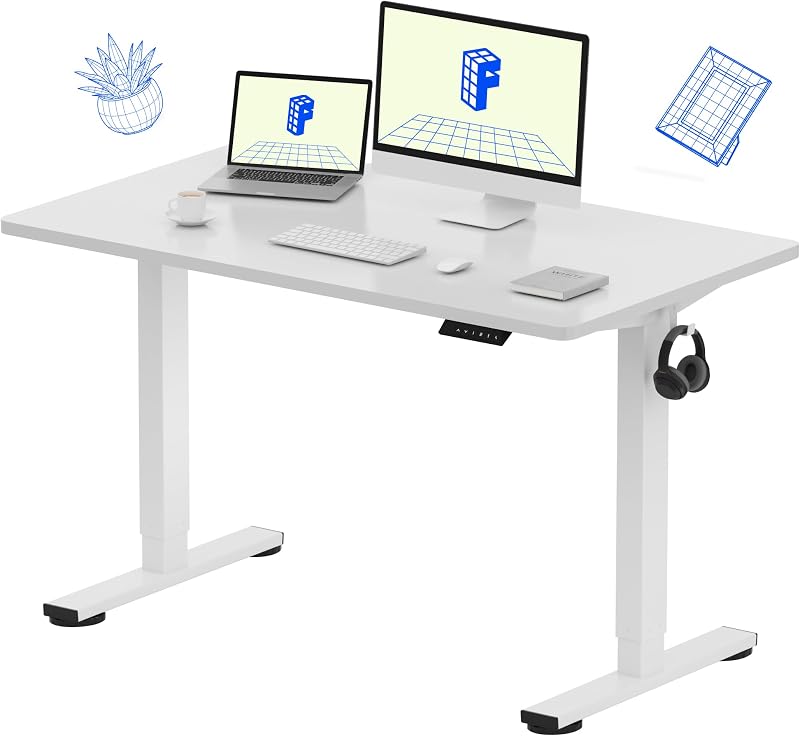
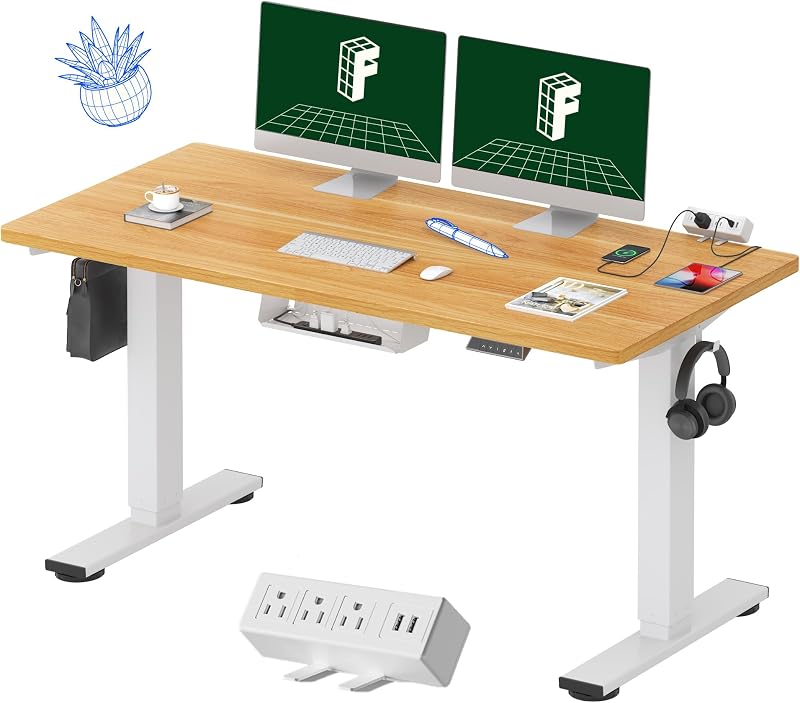
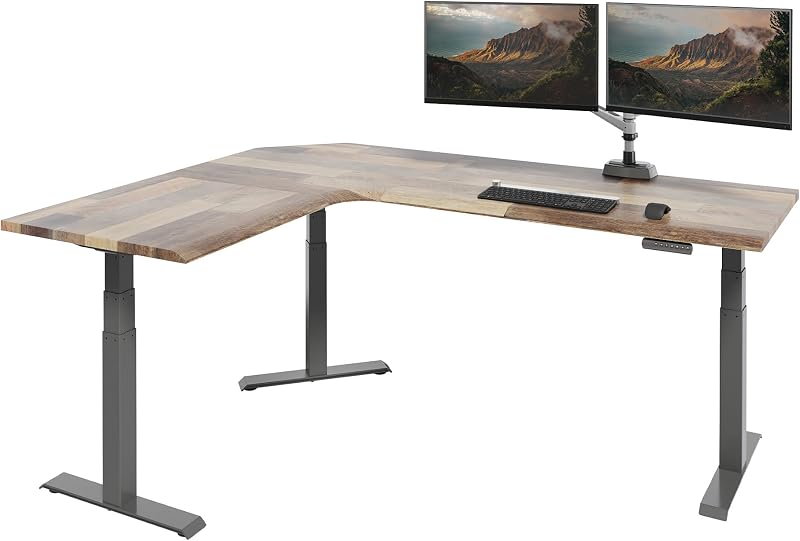
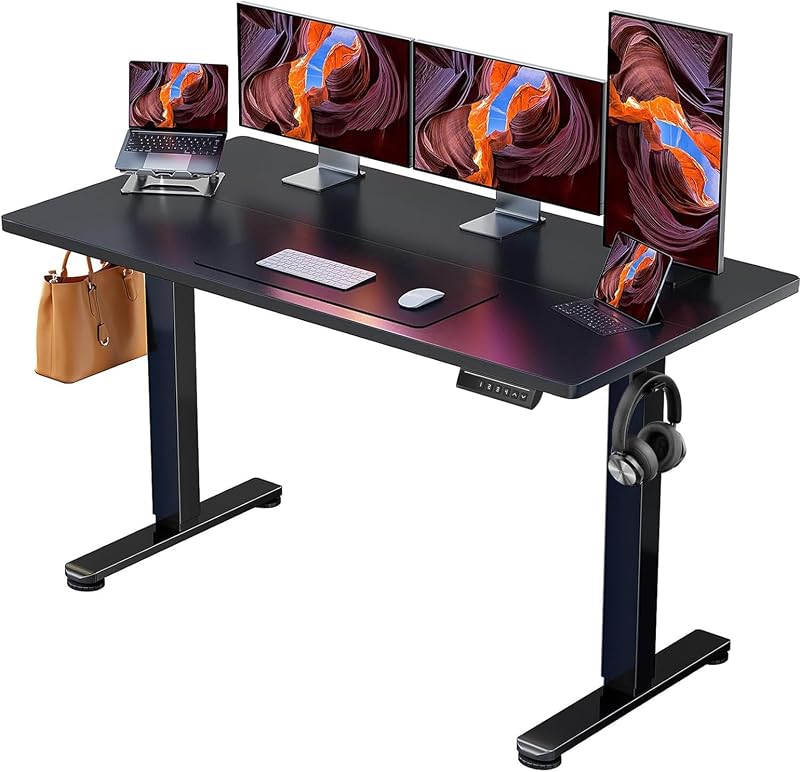
| FLEXISPOT Electric Standing Desk Frame | $259.99 | 4.6/5 | |
| .99 | 4.6/5 | ||
| ErgoFoam Adjustable Foot Rest | $34.95 | 4.6/5 |
I mention these specifically because they illustrate the point: I used the FLEXISPOT frame as my daily desk for four months before writing about it. The MX Vertical sat next to my keyboard for over a year. The ErgoFoam has been under my feet since spring 2026. The commissions on these are tiny — usually $1 to $4 per sale — but accumulated, they pay for the products I test next.
FTC Disclosure Compliance: What the Law Actually Requires
The U.S. Federal Trade Commission's Endorsement Guides (updated June 2026, still in effect for 2026) require that any "material connection" between a reviewer and a product be disclosed clearly and conspicuously. A commission from Amazon counts as a material connection.
Here's how we meet those requirements:
- Disclosure at the top of every review article, not buried in a footer.
- Plain language — "As an Amazon Associate, we earn from qualifying purchases" — no legalese.
- Per-link context when relevant, so you know before clicking, not after.
- This dedicated page, linked from the footer of every page on the site.
How Affiliate Commissions Affect (or Don't Affect) Our Reviews
This is the question I get most often by email, so let me answer it directly.
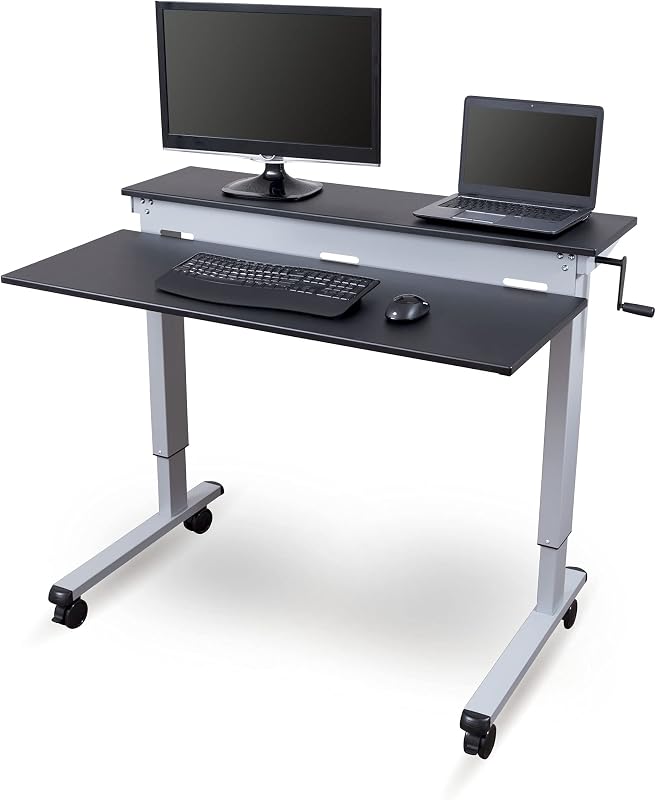
Does Amazon pay us more for recommending expensive products? Technically yes, because a percentage of a higher price is a higher dollar amount. A $260 standing desk frame earns us more than a $25 mouse pad. But the commission rate in the "Home Improvement" category (which covers most desk furniture) is only around 3%. We're talking about $7 or $8 per sale. That's not enough to make me lie about whether a product holds up to four months of daily use.
Do we get paid to write positive reviews? No. Amazon doesn't read our articles. They don't know if we said the FEZIBO mat is great or that the stitching on the edge started fraying after six weeks (it did, by the way — I mention it in the standing desk mat review).
Do brands send us free products? Occasionally. When they do, we disclose it in that specific review. The vast majority of products on this site were purchased with our own money from Amazon, exactly the way you'd buy them.
What We Don't Do
A short list, because the absence of something is hard to prove but worth stating:
- We don't accept payment from brands to alter ratings.
- We don't remove negative reviews when a brand complains (it's happened twice — both times the review stayed up).
- We don't use "best of" lists as ranking-for-sale schemes. The rankings reflect my actual testing notes.
- We don't cloak or redirect affiliate links through obscure tracking domains.
- We don't write fake user reviews to seed Amazon product pages.
Common Misconceptions About Affiliate Links
"I'll pay more if I use the affiliate link." False. Amazon charges every customer the same price. The commission comes out of Amazon's margin, not your wallet.
"The reviewer must love every product they link to." Not necessarily. We link to products we've reviewed, including ones we don't recommend — the link lets you see current pricing and recent verified reviews even if our verdict is negative.
"Affiliate sites are inherently biased." Bias exists, but it's not automatic. The honest test: does the site recommend products that aren't the highest-commission options when they're genuinely better? Check our budget standing desk guide — the top pick is a $190 desk, not the $400 one that would pay us more.
How You Can Support Us (If You Want To)
No pressure here. But if our content has helped you, the easiest way to say thanks is to start your Amazon shopping session through one of our links — even if you end up buying something completely different, like dog food or batteries. Amazon credits us a small commission on anything you purchase in that session, and it costs you nothing.
Frequently Asked Questions
Q: How much do you earn per sale? A: It varies by category. For most ergonomic office products, the commission is between 1% and 4% of the sale price. On a $200 desk, that's $2 to $8.
Q: Are your reviews honest if you earn commissions? A: Yes. Our income depends on long-term reader trust, not single sales. Recommending a bad product to make $5 once would cost us thousands in future readership.
Q: Do brands pay you to feature their products? A: No. We're not paid for placement. Occasionally a brand sends a sample for review, which we always disclose within that specific article.
Q: What is the Amazon Associates tracking tag I see in your links? A: Our tag is `sfpost20-20`. It tells Amazon that a purchase originated from our site so the commission can be attributed correctly.
Q: Can I trust your "best of" rankings? A: They reflect my actual testing notes. I rank products by performance, not by which one pays the highest commission. The product data is verified against current Amazon listings monthly.
Q: What happens if I return a product I bought through your link? A: Amazon retracts the commission. We don't earn anything on returned items, which is another reason recommending bad products hurts us more than it helps.
Sources & Methodology
Product prices, ratings, and review counts are pulled from Amazon.com and verified at the time of publication. Commission rates referenced come from the publicly available Amazon Associates Operating Agreement (2026 schedule). FTC disclosure requirements cited are from the Federal Trade Commission's Guides Concerning the Use of Endorsements and Testimonials in Advertising, 16 CFR Part 255.
For questions about this disclosure, email us at the address listed on our Contact page.
About the Author
Marcus Holloway has spent the last seven years reviewing standing desks, ergonomic chairs, and office accessories, logging over 2,000 hours of hands-on product testing in a dedicated home office workspace. He has personally purchased and tested more than 80 desks, mice, keyboards, and ergonomic accessories featured across this site.
Related Reviews
- Best Standing Desks and Ergonomic Office Accessories - Expert Reviews & Buying Guides
- Top Ergonomic Workspace Upgrades & Power Solutions 2026
- Best Anti-Fatigue Mats for Standing Desks: Top 7 Picks for 2026
- Best Budget Standing Desks Under $300 for 2026
- Ergodriven Topo Mat Review 2026: The Best Anti-Fatigue Mat for Standing Desks?
Key Takeaways
- Choosing the right amazon affiliate disclosure means matching the key features to your specific needs and budget
- Read real customer reviews and check the return policy before you commit
- Also covers: affiliate link transparency
- Also covers: FTC disclosure
- Also covers: amazon associates participation
- Compare value across models — the priciest option is not always the best fit